
Flood Water Safety in Las Vegas: Hidden Health Risks Every Family Should Know
For Las Vegas homeowners, flash floods can appear out of nowhere, heavy monsoon rains or burst pipes turn calm streets into rushing streams within minutes. But what most families don’t realize is that floodwater isn’t just a nuisance; it’s a health hazard. Beneath that murky surface can lurk sewage, bacteria, chemicals, and debris that contaminate everything it touches. For parents, pet owners, or anyone cleaning up after a flood, this poses serious risks to your home and your health. That’s why Love Your Carpet, trusted in the Las Vegas Valley since 1996, specializes not just in cleanup but in professional flood restoration that eliminates contamination, sanitizes your home, and helps protect your family’s well-being.
Why Flood Water Is Dangerous in Las Vegas
Unlike clean tap or rainwater, floodwater picks up pollutants from streets, storm drains, lawns, and sewage systems as it moves. By the time it enters your home, it’s often filled with bacteria, viruses, chemicals, and debris. The desert climate allows mold to grow quickly once the water recedes, turning a short-term flood into a long-term health issue.
Let’s break down the hidden dangers of floodwater exposure.
1. Bacteria and Viruses in Floodwater Can Cause Serious Illness
Floodwater is often contaminated with sewage, animal waste, and decaying organic matter. Contact with it can lead to a variety of infections, including:
- Skin infections and rashes: Bacteria like Staphylococcus or Streptococcus thrive in contaminated water. Even minor scrapes can become infected if exposed.
- Gastrointestinal illness: Ingesting floodwater, even accidentally, can lead to infections from E. coli, Salmonella, or Giardia, causing nausea, vomiting, and diarrhea.
- Tetanus and other wound infections: If floodwater comes into contact with open cuts, bacteria can enter the bloodstream, increasing the risk of serious infection.
Tip: If you’ve had skin contact with floodwater, wash immediately with clean soap and water. If any redness, swelling, or fever develops, seek medical attention.
2. Mold Growth After Flooding Causes Respiratory Problems
Even after the visible water dries, your home can still be at risk. Within 24–48 hours, trapped moisture in carpets, drywall, and flooring can cause mold to grow, releasing spores into the air.
When inhaled, these spores can cause:
- Asthma flare-ups
- Allergic reactions
- Chronic coughing or wheezing
- Eye and throat irritation
In Las Vegas, where humidity levels can spike after storms, mold can spread quickly through air ducts and behind walls. Professional flood restoration by Love Your Carpet ensures your property is completely dried, sanitized, and treated with antimicrobial solutions to prevent mold before it starts.
3. Chemical Contamination Puts You at Risk
Floodwater doesn’t just carry dirt; it mixes with oil, pesticides, fertilizers, and household cleaning chemicals as it moves through the community. These toxic substances can cause headaches, dizziness, skin irritation, or even neurological symptoms if exposure is prolonged.
For families with children or pets, this contamination is especially dangerous because little ones often touch or play near affected areas before the space is safe.
What to Do:
- Never enter standing floodwater without protective gear (boots, gloves, and masks).
- Avoid using fans or HVAC systems until a professional confirms they’re safe; airflow can spread contaminants.
4. Hidden Dangers Beneath the Water’s Surface
- Floodwater often conceals sharp debris, glass, nails, or electrical hazards. In some Las Vegas neighborhoods, sudden flash floods can even undermine flooring or foundations, creating structural instability. Stepping into unknown water can cause cuts, falls, or electrocution if live wires are submerged.
That’s why flood cleanup isn’t a DIY project, rather safety and proper disinfection require professional-grade tools and expertise.
5. Contaminated Tap Water and Plumbing Systems
After flooding, the city’s water supply or your home’s plumbing may become contaminated. Even if the tap looks clear, it could still contain bacteria or chemicals.
How to Stay Safe:
- Drink bottled water until local authorities confirm the tap water is safe.
- Boil water for at least one minute before cooking or washing dishes.
- Discard any food or beverages that came into contact with floodwater.
The Southern Nevada Health District regularly updates public advisories during major storms, so keep an eye on their alerts for local guidance.
How Las Vegas Families Can Stay Safe During and After Flooding
Flood cleanup isn’t just about drying floors; it’s about protecting your family’s health. Here’s how to minimize risks:
-
Avoid Direct Contact
- Don’t let kids or pets play in floodwater.
- Avoid walking barefoot or wading through it. Wear waterproof gloves and boots.
-
Practice Good Hygiene
- Wash your hands and clothes thoroughly after any exposure.
- Shower immediately after cleaning flood-affected areas.
-
Protect Wounds and Skin
- Keep cuts clean, dry, and covered.
- If floodwater contacts an open wound, disinfect it and monitor for infection.
-
Disinfect and Sanitize Your Home
- Clean all hard surfaces with a bleach solution or antimicrobial cleaner.
- Replace soaked carpet, drywall, or insulation. They can trap bacteria and mold.
-
Monitor your Health
- Watch for symptoms like rash, stomach upset, or breathing difficulty.
- Seek medical attention promptly if symptoms appear.
-
Call a Professional Restoration Team
- Companies like Love Your Carpet use industrial drying equipment, HEPA air scrubbers, and sanitizing agents to restore your home safely.
- We remove contaminants, dry materials thoroughly, and treat affected areas to prevent mold growth and future damage.
- Companies like Love Your Carpet use industrial drying equipment, HEPA air scrubbers, and sanitizing agents to restore your home safely.
People Also Ask (FAQs)
Can you get sick from being in a flooded house?
Yes. Floodwater carries bacteria, sewage, and mold spores that can cause infections, respiratory illness, and skin irritation if you come in contact with it.
Is there a water problem in Las Vegas?
While Las Vegas faces drought and water conservation challenges, flash floods can still occur due to monsoon rains and poor drainage in desert terrain.
What are the health risks associated with flood waters?
Floodwater can contain bacteria, viruses, chemicals, and mold spores, leading to infections, respiratory problems, or allergic reactions.
How can I safely clean my home after a flood?
Use protective gear, avoid contaminated areas, and disinfect all surfaces. It’s safest to call professional flood restoration experts for deep cleaning and sanitization.
When to Call a Professional Flood Restoration Company
If floodwater has entered your Las Vegas home, even just a few inches, don’t wait. Contamination begins immediately, and the longer water sits, the higher the risk of mold, structural damage, and illness.
At Love Your Carpet, our flood restoration specialists respond quickly to remove standing water, disinfect affected areas, and ensure your home is safe again. We use advanced drying systems and professional sanitization to eliminate bacteria, odor, and moisture at the source, restoring your property and your peace of mind.
Protect Your Family and Home Today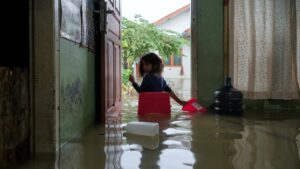
Floodwater contamination isn’t something to take lightly. The faster you act, the safer your home will be. Call Love Your Carpet today at (702) 898-6070 to schedule professional flood restoration services in Las Vegas. We’ll remove the water, disinfect your home, and make sure it’s safe for your family again. Visit our website for more information.