
Flood Damage in the Desert: Risks Facing Las Vegas Properties
If you’re a Las Vegas homeowner who assumes living in the desert means flooding isn’t something you need to worry about, you’re not alone. Many residents are caught off guard when a sudden monsoon storm leaves water inside their home, damaging carpets, flooring, drywall, and furniture in just a matter of minutes. Love Your Carpet has been helping Las Vegas homeowners recover from water and flood damage since 1996, providing professional flood restoration services that minimize damage, speed up drying, and help restore homes before small problems become expensive disasters.
The idea of flooding in the middle of the Mojave Desert sounds strange. After all, Las Vegas averages only about four inches of rain each year. Yet every summer, flash floods close roads, overwhelm neighborhoods, and cause thousands of dollars in property damage across the valley.
It’s not how much rain falls over the year that matters. It’s how quickly it falls, and how the Las Vegas landscape handles it.
Why Does Flooding Happen in Las Vegas?
Many people search:
- Why does Las Vegas flood if it’s a desert?
- Can homes flood in Las Vegas?
- Why are flash floods common in Nevada?
The answer lies in a combination of geography, soil conditions, weather patterns, and urban development.
The Las Vegas Valley Acts Like a Giant Bowl
Las Vegas sits inside a valley surrounded by mountains. During heavy storms, rainwater rushes down from higher elevations into lower residential neighborhoods. Instead of spreading out naturally, gravity funnels enormous amounts of runoff toward developed areas. Streets, intersections, and neighborhoods can quickly become temporary rivers. This “bowl effect” is one of the biggest reasons flash flooding happens so quickly.
Desert Soil Doesn’t Absorb Water
- Many people assume dry soil absorbs rain easily. Ironically, the opposite happens. Much of Southern Nevada contains dense caliche beneath the surface. Combined with extremely dry, sun-baked ground, rainfall has little chance to soak in.
Instead, water immediately runs across the surface. Think of pouring water onto concrete rather than a sponge. The result is rapid runoff that can overwhelm streets and properties within minutes.
Monsoon Storms Drop Huge Amounts of Rain Very Quickly
Las Vegas experiences its most dangerous flooding during monsoon season, typically from July through September. Unlike slow-moving rainstorms in other parts of the country, monsoon storms often produce:
- One inch or more of rain in less than 30 minutes
- Powerful wind gusts
- Hail
- Lightning
- Sudden street flooding
Even neighborhoods that rarely experience water problems can be affected when storm drains cannot keep up. Too many homeowners assume a storm will pass quickly—only to discover water entering their garage before they realize what’s happening.
Urban Development Makes Flooding Worse
Las Vegas has grown rapidly over the past several decades. Every new subdivision adds:
- Roads
- Sidewalks
- Parking lots
- Driveways
- Roofs
These hard surfaces prevent rainwater from soaking into the ground. Instead, water flows rapidly across pavement until it finds the lowest point, which may be your driveway or front door. The more development surrounding a neighborhood, the faster water tends to accumulate during heavy rainfall.
Which Las Vegas Homes Face the Highest Flood Risk?
Not every property carries the same level of risk. Certain homes are naturally more vulnerable.
Homes Near Washes
Engineered flood channels help move water through the valley. However, if these washes become clogged with debris or storms exceed their design capacity, nearby homes face greater flood risk.
Low-Lying Neighborhoods
Water always seeks the lowest elevation. Homes located below surrounding streets or neighboring properties may collect runoff faster than others.
Homes with Flat or Low-Slope Roofs
Many Las Vegas homes feature flat roofing systems. During intense rainfall:
- Roof drains may clog
- Water can pool
- Moisture may seep into ceilings
- Interior leaks can develop quickly
Routine roof inspections help reduce this risk.
Older Homes
Older homes may have:
- Lower door thresholds
- Aging drainage systems
- Cracked foundations
- Worn weather seals
These small weaknesses often become entry points during severe storms.
How Floodwater Enters Your Home
Many homeowners imagine floodwater entering only through the front door. In reality, water often finds multiple entry points.
Common sources include:
- Garage Doors: Heavy street runoff frequently flows beneath garage doors before homeowners notice.
- Sliding Glass Doors: Patio doors, sitting close to ground level can allow water inside when landscaping becomes saturated.
- Windows: Poor drainage around window wells can force water indoors.
- Roof Leaks: Overflowing roof drains or damaged roofing materials may allow water into attics and ceilings.
- Foundation Cracks: Standing water around the home’s perimeter increases pressure against foundation walls, allowing moisture to seep inside.
Why Flood Damage Gets Worse So Quickly
Water damage doesn’t stop once the rain ends. Within the first 24 to 48 hours, moisture begins affecting nearly every material inside your home. Floodwater can damage:
- Carpet padding
- Hardwood flooring
- Laminate floors
- Drywall
- Baseboards
- Cabinets
- Furniture
- Electrical systems
If moisture remains trapped beneath flooring or inside walls, mold growth can begin surprisingly fast. That’s why immediate drying is just as important as removing visible water.
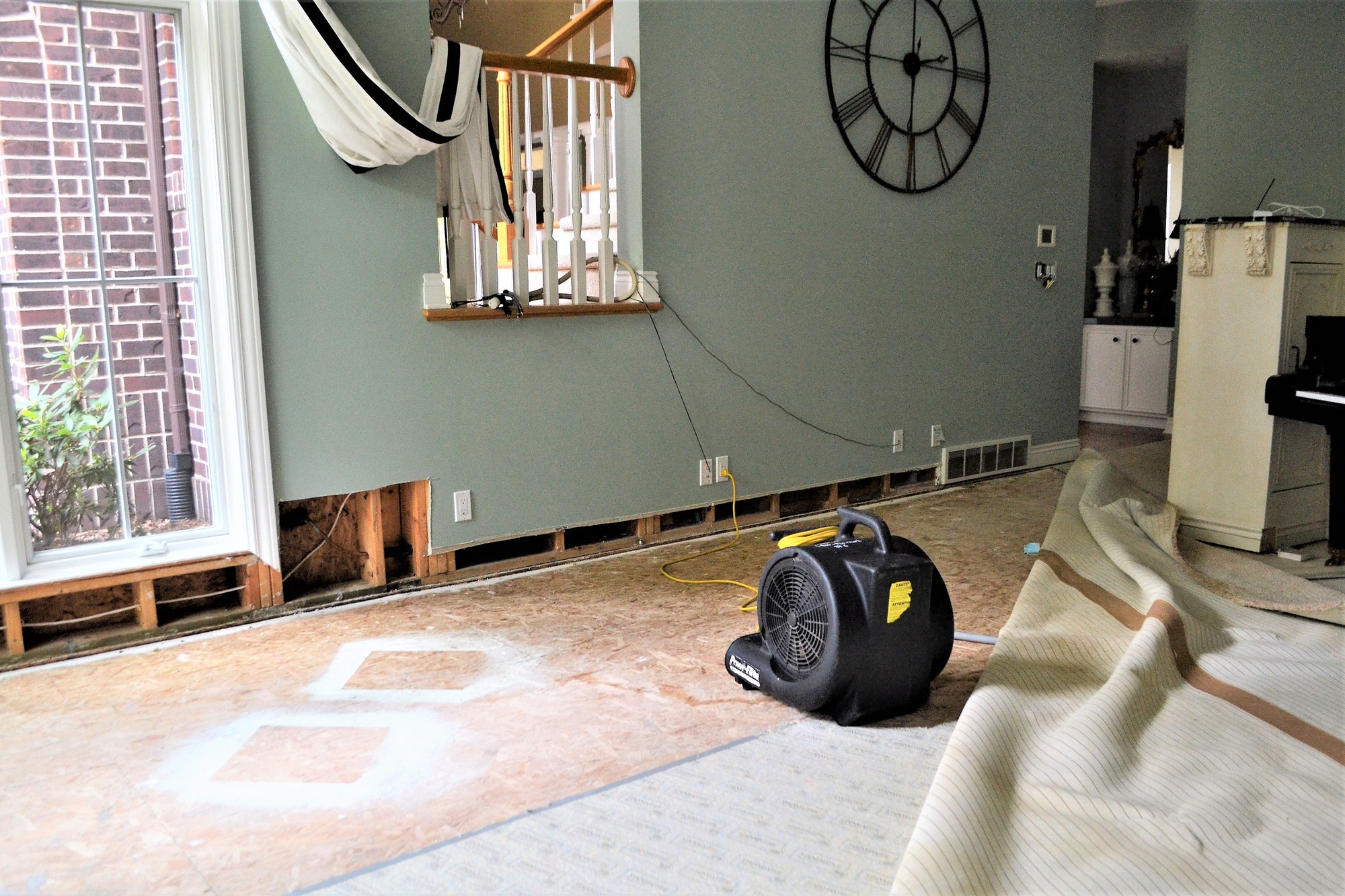
Hidden Water Damage Many Homeowners Miss
Some of the most expensive repairs happen because water isn’t fully removed. Common hidden problems include:
- Wet Carpet Padding: Carpets may appear dry while thick padding underneath remains soaked.
- Moisture Under Tile Flooring: Water can migrate beneath grout lines and become trapped under tile.
- Damp Drywall: Walls often absorb water several inches above visible staining.
- Mold Behind Baseboards: Even small amounts of trapped moisture create ideal conditions for mold colonies.
Professional moisture detection equipment identifies these hidden areas before they become much larger issues.
Are Newer Las Vegas Communities Safe from Flooding?
Many newer master-planned communities fall within lower-risk flood zones because of improved drainage infrastructure. However, lower risk does not mean no risk. Unexpected factors still create problems, including:
- Blocked storm drains.
- Localized flash flooding.
- Landscape drainage failures.
- Roof drainage issues.
- Neighboring property runoff.
Even homes located in lower-risk flood zones experience water damage after severe storms.
Should Las Vegas Homeowners Have Flood Insurance?
Many homeowners believe standard homeowners’ insurance covers flooding. Unfortunately, flood damage from rising water is typically excluded from standard homeowners insurance policies. Flood insurance may be worth considering if:
- Your property is near a wash.
- Your home sits in a FEMA high-risk flood zone.
- Your neighborhood has experienced flooding previously.
- You own valuable flooring or finished basements (where applicable).
Even homeowners in lower-risk Zone X areas sometimes choose flood insurance because flash flooding can occur almost anywhere during extreme weather events.
How to Reduce Your Flood Risk
While no home is flood-proof, homeowners can lower their chances of serious damage.
- Keep Gutters and Roof Drains Clear: Remove debris before monsoon season begins.
- Inspect Landscaping: Ensure landscaping slopes away from your home’s foundation, not toward it.
- Check Door Seals: Replace worn weather stripping around garage and patio doors.
- Install Proper Drainage: French drains, channel drains, or grading improvements may redirect water away from vulnerable areas.
- Monitor Weather Alerts: Flash flood warnings should always be taken seriously. In Las Vegas, conditions can change within minutes.
What to Do Immediately After Flooding
If water enters your home:
- Stay safe and avoid standing water near electrical hazards.
- Stop the water source if possible.
- Remove valuable belongings.
- Photograph the damage for insurance.
- Contact a professional flood restoration company immediately.
- Begin drying as quickly as possible.
Waiting even one extra day often means more extensive repairs later.
Why Professional Flood Restoration Matters
Many homeowners attempt cleanup using fans and household vacuums. Unfortunately, surface drying rarely removes moisture trapped beneath flooring and inside walls. Professional flood restoration includes:
- Water extraction
- Moisture detection
- Structural drying
- Carpet and flooring assessment
- Dehumidification
- Mold prevention
- Odor removal
- Restoration recommendations
Love Your Carpet has served Las Vegas homeowners since 1996, helping families recover from unexpected water damage with professional equipment and decades of local experience. Their team understands how quickly monsoon-related flooding can affect homes throughout the Las Vegas Valley and works efficiently to restore properties before secondary damage develops.
Frequently Asked Questions
Can flash floods happen even if it hasn’t rained at my house?
Yes. Rain falling in nearby mountains or upstream areas can quickly flow into the Las Vegas Valley, creating dangerous flash flooding even when your neighborhood receives little rainfall.
How quickly can mold develop after flood damage?
Under the right conditions, mold can begin growing within 24 to 48 hours after water intrusion. Prompt drying and moisture removal are essential to reduce the risk.
Does the carpet always need to be replaced after flooding?
Not always. Clean water incidents can sometimes be restored if treated immediately. However, contaminated floodwater or prolonged saturation often requires carpet and padding replacement.
Is flood damage covered by homeowners insurance?
Most standard homeowners’ insurance policies do not cover damage caused by rising flood water. Separate flood insurance is typically required for that type of loss.
Don’t Let Desert Flooding Catch You Off Guard

Living in Las Vegas doesn’t eliminate the risk of flood damage – it simply changes how flooding happens. Sudden monsoon storms, fast-moving runoff, hard desert soil, and rapid urban development all combine to create surprisingly high flood risks throughout the valley.
If water has entered your home, acting quickly can make the difference between a straightforward restoration and extensive structural repairs. Contact Love Your Carpet for professional flood restoration services in Las Vegas. Their experienced team can quickly assess the damage, remove standing water, thoroughly dry affected areas, and help restore your home with the care and expertise local homeowners have trusted since 1996.